For many patients considering eyelid surgery, recovery is one of the biggest concerns. How long will the swelling last? When can you return to work? How soon will you feel comfortable going out in public?
Blepharoplasty recovery is usually manageable, but healing happens gradually. Bruising and swelling are generally most noticeable during the first several days. Many patients return to work and social activities within one to two weeks, while subtle swelling and incision changes can continue improving for several months.
The exact timeline depends on whether you have upper blepharoplasty, lower blepharoplasty, or both procedures together. Your anatomy, surgical plan, general health, and natural healing response can also affect recovery.
What Is Blepharoplasty?
Blepharoplasty, also known as eyelid surgery or an eyelid lift, is an outpatient procedure that addresses age-related or inherited changes around the eyes.
Upper blepharoplasty may reduce sagging skin, heaviness, and hooding of the upper eyelids. Lower blepharoplasty may improve under-eye bags, puffiness, wrinkles, or excess skin beneath the eyes. Some patients benefit from one procedure, while others have upper and lower eyelid surgery together.
The goal is not to change the natural character of your eyes. When blepharoplasty is planned carefully, it can help you look more rested and refreshed while still looking like yourself and staying in balance with the rest of your face.
Blepharoplasty Recovery at a Glance
Although every patient heals differently, the general eyelid surgery recovery timeline looks like this:
The first three days: Swelling and bruising are typically at their most noticeable. Patients usually rest with their head elevated and use cool compresses as directed.
Days four through seven: Swelling and discoloration begin to improve. Tightness, tenderness, and temporary blurry vision from ointment may still occur.
One to two weeks: Many patients feel comfortable returning to work and social activities. Some residual swelling or bruising may remain.
Weeks two through four: Most visible bruising has faded. Mild puffiness may continue, especially after lower blepharoplasty.
One to three months: The eyelids begin to look more settled. Incision lines continue to soften and fade as subtle swelling resolves.
Several months: The final result becomes easier to evaluate as the tissues fully heal and scars mature.
This timeline is a general guide. Your surgeon may recommend different restrictions based on your procedure and how your recovery progresses.
The First 24 Hours After Eyelid Surgery
You will need someone to drive you home after surgery. It is also helpful to have someone stay with you during the first night.
As the anesthesia wears off, your eyelids may feel tight, heavy, or mildly sore. Significant pain is not typical, but medication may be recommended to manage discomfort.
Ointment is often applied to the incisions and eye area during early recovery. This can temporarily make your vision appear blurry or hazy. Light sensitivity, watery eyes, dryness, and a gritty sensation may also occur.
Swelling and bruising are expected after blepharoplasty. These changes do not necessarily mean that something is wrong.
Your postoperative instructions may include:
-
Resting with your head elevated
-
Applying cool compresses intermittently
-
Using ointment or eye drops as directed
-
Avoiding rubbing or pressure around the eyes
-
Taking only approved medications
-
Limiting activities that cause eye strain
Your surgeon’s instructions should always take priority over general recommendations found online.
Days Two and Three: When Swelling May Peak
It is common for the eyes to look more swollen the morning after surgery than they did immediately after the procedure. Swelling and bruising often become most noticeable during the second or third day before gradually improving.
Bruising may initially appear red, purple, or blue and then turn yellow or green as it fades. One eyelid may also look more swollen than the other. Minor differences between the two sides are common during the early stages of healing.
Continue sleeping with your head elevated and use cool compresses according to your instructions. Avoid bending over, lifting heavy objects, and engaging in strenuous activity, as these actions may increase pressure around the eyes.
Days Four Through Seven: Early Improvement
By the end of the first week, most patients begin to see a noticeable reduction in bruising and swelling. The eyelids may still look puffy, and incision lines can appear pink or slightly raised.
Patients with removable sutures often have them taken out during a follow-up visit around this time. Many upper blepharoplasty patients return to work when their sutures are removed, although some visible swelling or discoloration may remain.
Light walking and basic household activities may be comfortable, but strenuous exercise and heavy lifting should still be avoided.
Week Two: Returning to Work and Social Activities
Many patients return to office or remote work within seven to 10 days after upper blepharoplasty. Others prefer to allow a full two weeks, especially if their job involves frequent meetings or public interaction.
During the second week:
-
Most bruising has faded or is easier to conceal
-
Swelling is less noticeable but may not be completely gone
-
Incision lines may remain pink
-
The eyelids can feel tight or mildly numb
-
The eyes may tire more quickly than usual
Patients who have lower blepharoplasty or combined upper and lower eyelid surgery may want to allow closer to two weeks before an important event.
It is usually best not to schedule eyelid surgery immediately before a wedding, vacation, professional photo session, or other major occasion. Even when bruising has resolved, minor swelling may still be visible.
Weeks Three and Four: Resuming Normal Activities
By the third or fourth week, much of the obvious recovery has passed. Most patients no longer look as though they recently had surgery, although subtle swelling can remain.
Exercise is generally avoided during the first two to three weeks. After that point, activity can often be increased gradually once your surgeon confirms that healing is progressing normally.
Continue wearing glasses until your surgeon approves the use of contact lenses. At Pacific Coast Facial Plastic Surgery, we generally recommend avoiding contact lenses for approximately three weeks after blepharoplasty. Glasses are usually more comfortable during early recovery because inserting and removing contacts may pull on the healing eyelids.
Continue protecting your incisions from direct sunlight. Sunglasses and surgeon-approved sun protection can help prevent healing incision lines from becoming darker or more noticeable.
One to Three Months: Results Continue to Settle
About one month after surgery, many patients are pleased with how rested and open their eyes appear. However, the final result may not yet be visible.
Small amounts of swelling can remain beneath the skin, especially around the lower eyelids. Puffiness may be more noticeable in the morning or after eating salty foods. Incisions can still look pink in certain lighting, and temporary tightness or numbness may continue.
These changes generally become less noticeable over the following months. Incision lines gradually flatten, soften, and blend into the surrounding skin.
When Will I See My Final Blepharoplasty Results?
You will likely notice an improvement well before healing is complete. Once the initial swelling subsides, the eyes may begin to look more open and refreshed.
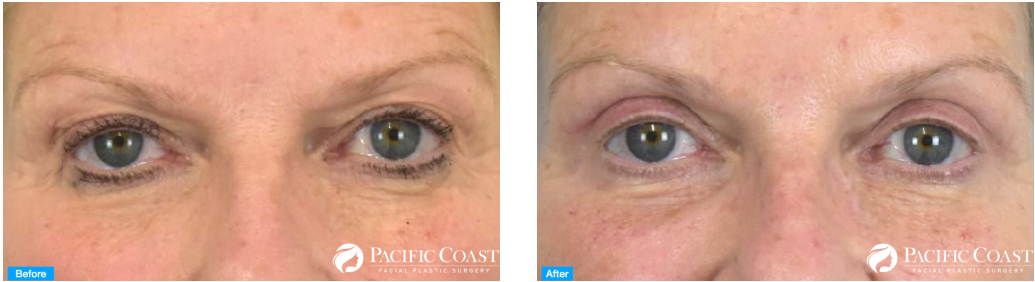
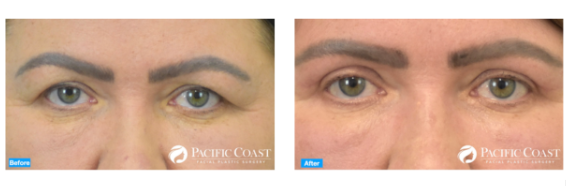
Final results take longer because subtle swelling can persist beneath the skin. Incisions also need time to fade and mature. Most patients see continued improvement over several months. You can also view our blepharoplasty before-and-after photos to see examples of how upper and lower eyelid surgery results may look once healing is complete.
Blepharoplasty results are long-lasting, and many patients enjoy a refreshed appearance for ten years or longer. Eyelid surgery does not stop the natural aging process, but removing excess skin and repositioning tissue can create an improvement that remains noticeable for years.
Healthy skin habits, sun protection, and avoiding smoking can help support long-term results.
Is Recovery Different for Upper and Lower Blepharoplasty?
Upper and lower eyelid surgery generally follow a similar healing pattern, but lower blepharoplasty may involve more swelling and a longer period of refinement.
Recovery after upper blepharoplasty is often somewhat faster. Many patients feel comfortable returning to work or social activities in about one week, although minor bruising or puffiness may still be visible.
Lower blepharoplasty typically produces more prolonged swelling, particularly beneath the eyes. Bruising often improves within the first couple of weeks, but mild puffiness can remain for several additional weeks.
Patients who have upper and lower blepharoplasty together may want to allow closer to two weeks before an important meeting, event, or public-facing commitment.
How to Support a Smooth Eyelid Surgery Recovery
The most important part of recovery is following the instructions provided by your surgeon. These directions are based on your procedure, medical history, and individual healing needs.
Keeping your head elevated during the first several days can help control swelling. Medications, ointments, and eye drops should be used exactly as directed. Attend all scheduled follow-up visits, even if your recovery seems to be going well.
Smoking, vaping, and nicotine should be avoided because nicotine may interfere with circulation and wound healing. Do not begin or stop aspirin, anti-inflammatory medication, supplements, anticoagulants, or other medications without speaking with the appropriate medical professional.
During recovery, avoid:
-
Rubbing or pulling on the eyelids
-
Heavy lifting and strenuous exercise
-
Bending with your head below your heart
-
Swimming before receiving clearance
-
Applying makeup directly over healing incisions
-
Wearing contact lenses too early
-
Exposing fresh incisions to prolonged sunlight
Trying to speed up the recovery process can lead to setbacks. Give your body enough time to heal before resuming demanding activities.
What Is Normal After Blepharoplasty?
Temporary bruising, swelling, tightness, and mild discomfort are expected after eyelid surgery. Patients may also experience dry eyes, watery eyes, light sensitivity, temporary blurry vision from ointment, or changes in skin sensation.
One side may heal faster than the other. Incisions may also look uneven while swelling is present. These differences often improve as the tissues settle.
Some patients worry about their results during the first few days because the eyes look swollen or asymmetrical. Early healing is not an accurate reflection of the final outcome.
Your surgeon should evaluate any symptom that concerns you. Photos or recovery stories from other patients cannot determine whether your own healing process is normal.
When Should You Contact Your Surgeon?
Blepharoplasty is generally well tolerated, but complications are possible. Contact your surgical team if symptoms are severe, sudden, or worsening instead of gradually improving.
Potential warning signs include:
-
Significant or increasing pain
-
Sudden changes in vision
-
Heavy or persistent bleeding
-
Rapidly increasing swelling, especially on one side
-
Worsening redness, warmth, drainage, or fever
-
Severe or increasing difficulty closing the eyes
-
Shortness of breath, chest pain, or another medical emergency
Don’t wait until your next scheduled appointment if something doesn’t feel right.
Frequently Asked Questions About Blepharoplasty Recovery
How painful is blepharoplasty recovery?
Most patients describe tightness, pressure, dryness, or soreness rather than significant pain. Discomfort is generally manageable with medication recommended by the surgeon. Severe or increasing pain should be reported promptly.
How long will my eyes be swollen after eyelid surgery?
Swelling is usually most noticeable during the first two or three days and improves substantially during the first two weeks. Minor swelling, especially after lower blepharoplasty, may continue for several weeks or longer.
When can I return to work after blepharoplasty?
Many patients return to work about one week after upper blepharoplasty. Patients undergoing lower or combined eyelid surgery may prefer 10 days to two weeks, depending on swelling, bruising, and the nature of their job.
When can I wear makeup after eyelid surgery?
Makeup should not be applied directly over healing incisions until your surgeon confirms that it is safe. This often occurs after the sutures are removed and the incision has closed, but timing varies.
When can I drive after blepharoplasty?
Do not drive while taking sedating pain medication, while your vision is blurry, or until you can comfortably see and move your head in every direction. Your surgeon can provide personalized guidance.
Can I sleep on my side after eyelid surgery?
Patients are generally advised to sleep on their back with the head elevated during early recovery. This helps limit swelling and keeps pressure off the healing eyelids. Ask your surgeon when it is safe to return to side sleeping.
When can I exercise after blepharoplasty?
Exercise is generally avoided for the first two to three weeks. After that point, patients can gradually return to normal activity with their surgeon’s approval.
When can I wear contact lenses again?
Pacific Coast Facial Plastic Surgery generally recommends avoiding contact lenses for approximately three weeks after surgery. Your surgeon may adjust this timeline based on your healing.
Will blepharoplasty change the shape of my eyes?
The goal of blepharoplasty is to refresh the eye area while maintaining the eyes’ natural shape and expression. Most patients look more rested rather than noticeably different.
How visible are blepharoplasty scars?
Upper eyelid incisions are generally concealed within the natural eyelid crease. Lower eyelid incisions may be placed inside the eyelid or close to the lash line. Scars may initially look pink but usually become less noticeable as they mature.
Considering Eyelid Surgery in Orange County?
If you’re thinking about eyelid surgery, the first step is a consultation that looks at the full picture, not just the eyelids themselves. Several factors, including brow position, lower eyelid support, dry eye symptoms, and your overall facial anatomy, can influence concerns like heaviness, puffiness, or a tired appearance. That’s why a personalized evaluation matters.
Dr. Jacob Boeckmann at Pacific Coast Facial Plastic Surgery is double board-certified by the American Board of Otolaryngology–Head and Neck Surgery and the American Board of Facial Plastic and Reconstructive Surgery. His practice is focused exclusively on facial procedures, with an emphasis on results that look refreshed and natural.
If you have been wondering whether upper blepharoplasty, lower blepharoplasty, or a combination of procedures could help, a consultation with Dr. Boeckmann can provide clear, personalized answers. You will have an opportunity to discuss your concerns, learn what recovery may involve, and understand which options are appropriate for your anatomy and goals. Contact Pacific Coast Facial Plastic Surgery in Laguna Niguel to schedule your consultation.